

What Photographing Hundreds of Homes Has Taught Me About Selling Them
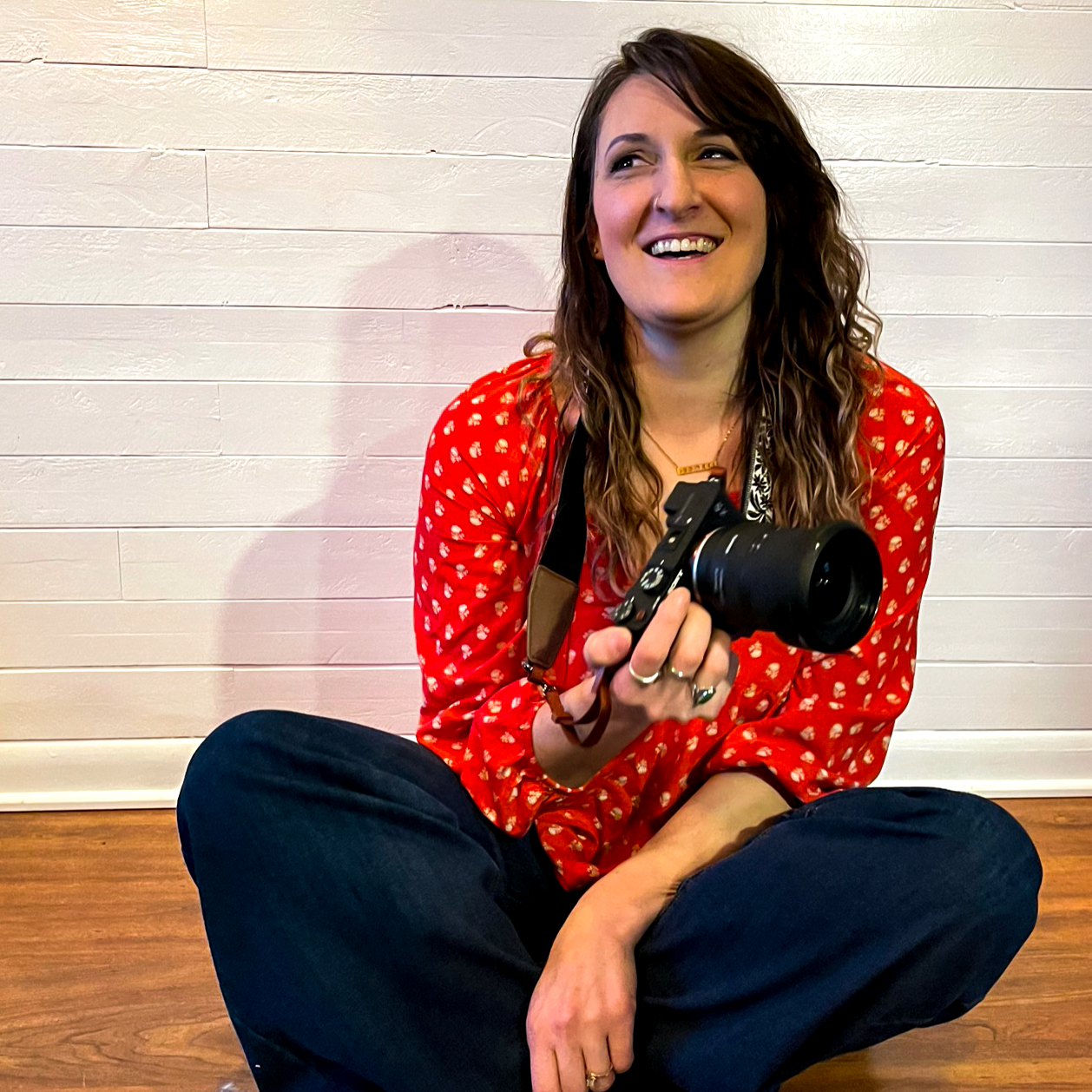
By Zeb and Heather Nicholson, REALTORS® serving Cedar Falls, Waterloo, and the Cedar Valley

Over the years, I’ve photographed a lot of houses.
Some were beautifully updated. Some were untouched for decades. Some were spotless. Some were very obviously still being lived in. Some were vacant. Some were staged. Some had incredible natural light, and some required a little more work to find the best angle.
And many of them weren’t homes I was selling.
Before returning to the REALTOR® side of real estate, a large part of my work was spent behind the camera photographing homes throughout Cedar Falls, Waterloo, and the surrounding Cedar Valley.
It turns out that looking at hundreds of homes through a camera teaches you a lot about what buyers notice.
It also teaches you quite a bit about what sellers often worry about that matters far less than they think.
The camera notices different things than you do
When you live in a house every day, your brain gets very good at filtering things out.
The basket that always sits by the stairs. The cords next to the television. The collection of things on top of the refrigerator. The extra chair that was temporarily moved into the bedroom six months ago and somehow never left.
You stop seeing them.
A camera does not.
Photography flattens a three-dimensional room into a single frame. Suddenly, objects that feel insignificant in person can become some of the most noticeable things in the photograph.
That’s one of the reasons preparing a home for listing photos is different from simply cleaning it.
A house can be spotless and still look visually busy.
On the other hand, a house doesn’t need to be perfectly decorated to photograph well.
Often, the best preparation is simply removing distractions so the room itself becomes easier to see.
Less usually photographs better—but empty isn’t the goal
There’s a tendency when people hear “declutter” to think everything needs to disappear.
That isn’t really the goal.
A completely empty countertop can sometimes feel sterile. A room stripped of every personal object can lose the warmth that makes it feel like a home.
The better goal is visual breathing room.
Maybe the kitchen counter keeps a cutting board, a plant, and one interesting object instead of twelve small appliances and containers.
Maybe the bedroom loses an extra piece of furniture so buyers can better understand the size of the room.
Maybe a bookshelf keeps some books and decor, but not every item it normally holds.
The goal isn’t to erase the people who live there.
It’s to make it easier for someone looking at the listing online to understand the house.
Light matters more than a lot of expensive upgrades
One of the simplest things I’ve learned from photographing homes is how dramatically light can change a room.
Open curtains.
Raise blinds.
Replace burned-out bulbs.
Turn on lamps where appropriate.
Clean the windows.
None of those things require a renovation budget, but they can change the way a room feels both in person and in photographs.
This matters especially in Iowa, where the quality of natural light changes significantly throughout the year.
A Cedar Falls living room photographed on a bright summer afternoon is going to behave very differently from the same room on a gray December day.
Good real estate photography works with those conditions, but sellers can help by making sure the house is ready to use whatever light is available.
Buyers need to understand the space
A room can be beautiful and still be difficult to photograph if the furniture arrangement makes the space confusing.
One of the things I’ve learned after photographing so many homes is that buyers need visual clues.
Where does the dining area begin?
How large is the living room?
Can you comfortably walk between the furniture?
Is there enough space for a king-size bed?
Where would someone put a desk?
Those questions are much easier to answer when the furniture helps define the room instead of overwhelming it.
Sometimes that means moving furniture.
Sometimes it means removing one piece entirely.
And sometimes it means doing absolutely nothing because the room already works.
That last part matters.
Preparing a home for sale shouldn’t automatically mean changing everything.
Not every project improves the listing
This may be one of the biggest lessons I’ve taken from photographing homes.
Sellers often feel like there must be a giant pre-listing checklist.
Paint everything.
Replace this.
Update that.
Buy new decor.
Change the fixtures.
Redo the landscaping.
But after seeing so many homes at every price point and in every condition, I’ve become increasingly convinced that good preparation is much more about prioritization than perfection.
Sometimes paint is absolutely worth doing.
Sometimes it isn’t.
Sometimes removing an oversized piece of furniture makes a bigger visual difference than replacing an entire room of decor.
Sometimes cleaning, repairing, and simplifying is enough.
And sometimes a homeowner is about to spend money fixing something that most buyers probably aren’t going to care about.
That’s why we like sellers to talk with us before launching into a long list of projects.
The right preparation depends on the particular house.
Buyers usually see your home online first
Years ago, the first impression of a home might have happened when someone pulled into the driveway.
Today, it usually happens on a screen.
A buyer may see the primary listing photo while scrolling through dozens of homes.
Then they swipe.
And swipe again.
Within seconds, they’re forming an impression of the property.
That doesn’t mean every house needs to look like a magazine spread.
It means the photography needs to communicate the home clearly.
What makes this house appealing?
What does the space feel like?
What makes it different from another home in the same price range?
Can the buyer picture how they would use it?
The photography is not there to disguise the house.
It should help someone understand it.
That philosophy has shaped the way we think about real estate marketing in general.
Cedar Valley homes don't all need to look the same
One of the things I enjoy most about photographing real estate locally is the variety.
There are mid-century homes in Cedar Falls, century-old houses in Waterloo, newer subdivisions, small ranch homes, acreages, condos, split-levels, raised ranches, and homes that have evolved through several generations of owners.
There isn't one correct aesthetic.
A 1950s ranch doesn't need to pretend it was built in 2026.
An older Waterloo home doesn't need every bit of character renovated out of it.
A house can feel current without losing the things that make it itself.
Good preparation should highlight the strengths of the particular home rather than trying to make every property fit the same template.
That becomes especially important when sellers start comparing their homes to beautifully staged properties they see online.
Your house doesn't need to become someone else's house before it can be sold.
It just needs to present its own space well.
Photography changed the way I walk through a seller's home
When we meet with sellers now, I realize I’m often mentally looking through a camera before one ever comes out.
I notice the light.
I notice sightlines.
I notice where the eye naturally goes.
I notice which furniture helps explain the space and which pieces might make a room feel smaller.
I notice little distractions that are easy to fix.
And I also notice the things sellers are worried about that probably don't need to become projects at all.
That perspective has become an unexpected advantage.
Because getting a house ready to sell isn't really about making it perfect.
It's about deciding what deserves your time, your money, and your attention—and what doesn't.
And after photographing hundreds of homes, that may be the biggest lesson of all:
The best listing preparation usually isn't about adding more. It's about helping buyers see what's already there.
If you're thinking about selling a home in Cedar Falls, Waterloo, or elsewhere in the Cedar Valley, you don't have to have everything figured out before talking with a REALTOR®.
In fact, we'd rather see the house before you start spending money.
Sometimes the most useful part of that first conversation is figuring out what you can leave exactly as it is.


Comments